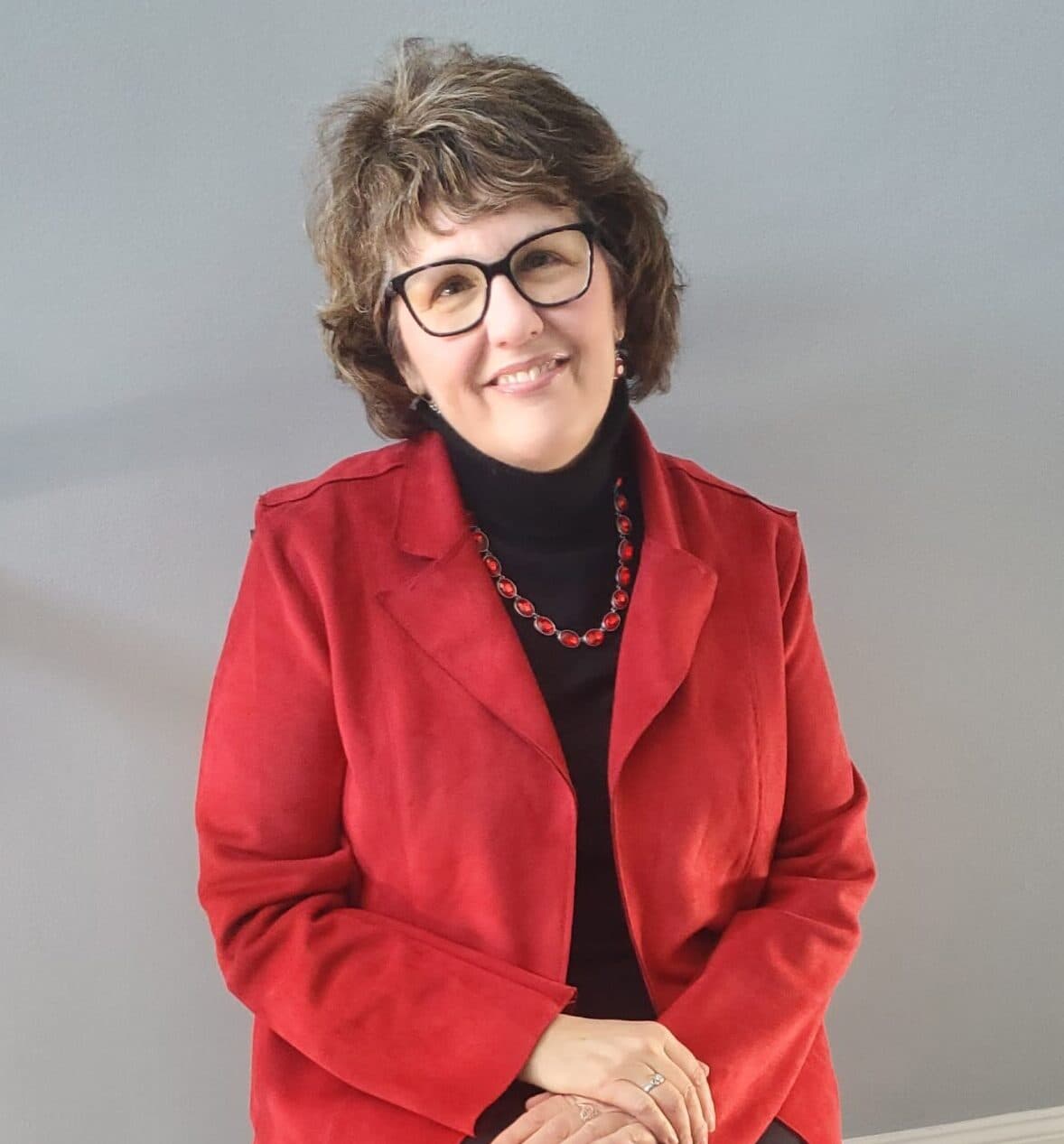
I grew up in Moorestown, New Jersey, and transformed from Jersey Girl to Heartland Lover when I came to college in rural, southwestern Ohio, in the early 1980s. After I earned my B.A. in English, I then earned my M.A. in English at the University of Dayton. I subsequently taught for ten years at our nation’s oldest, private, historically black liberal arts college (HBCU), Wilberforce University, an experience that had a profound influence on me. Over the next 23 years, as I then taught at two other religious, Midwestern universities, both of which were predominately white, I integrated antiracist pedagogies and curricula into my literature and writing courses as well as the Writing Centers I directed. I also began publishing poetry and essays.
Although I still live in Indiana, I now work remotely for Eastern University as a Senior Online Advisor and First Year Composition Instructor in its new LifeFlex program. In many ways, this next step in my career brings me full circle: I’m once again advising and teaching diverse adult learners, as I did when I worked for Wilberforce University’s CLIMB program, and I’ve returned to my Philly roots! Likewise, I have the opportunity to use all my scholarship about the intersections between Christian faith, antiracism, and linguistic justice in the courses I’ll be teaching.
But back to my writing life! I spent my childhood years filling spiral notebooks with poetry and stories. Despite feeling “called” to write, I became sidetracked by the world of academia and a genuine enjoyment for—as well as the work load required by—teaching. In my mid-thirties, however, I realized I might die without ever fulfilling my dream of writing a book.
Panic-driven and poetry-inspired, I began to read every contemporary poet I could get my hands on. And I kept reading. In 2005, I also participated in the Antioch Writers’ Workshop (AWW), which greatly expanded my creative thinking and writing skills. I’ve also participated in Image Journal’s Glen Workshop many times, which was always an enriching experience for me. I consider every writer I read a mentor and the hours spent reading my life-long education.
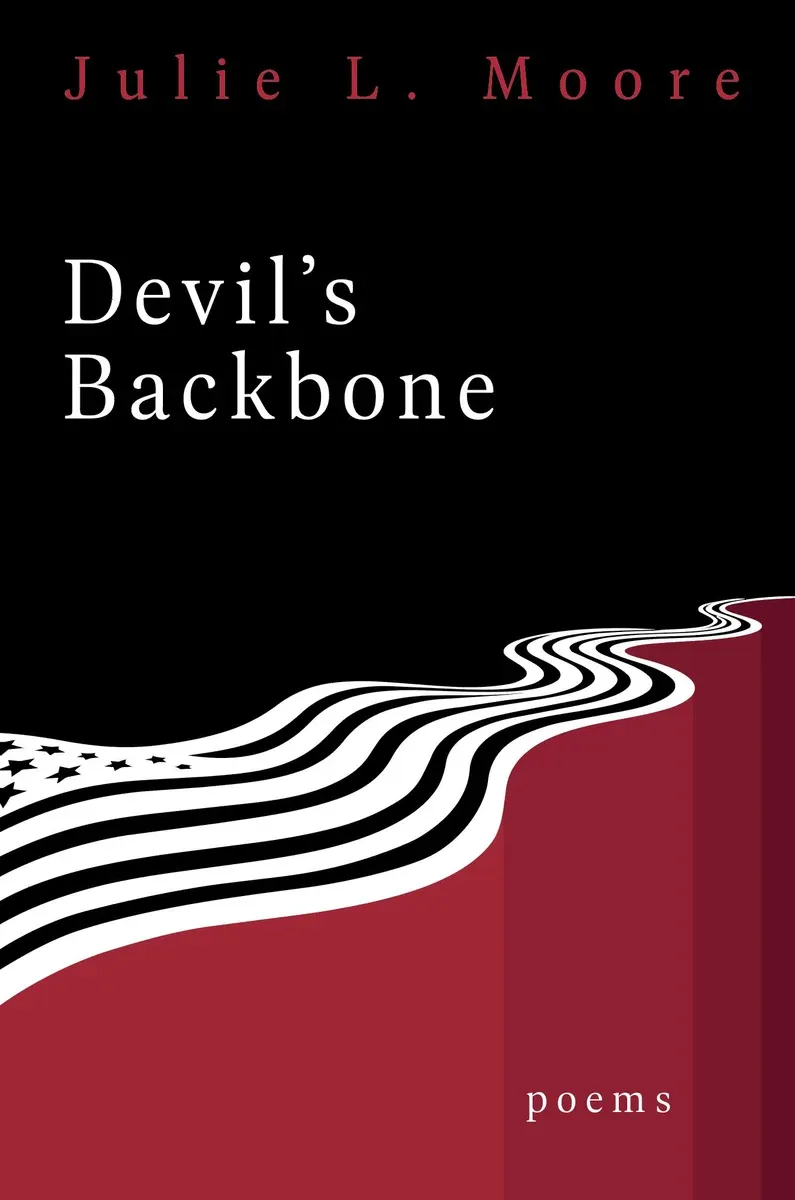
Some of my work explores “place” in its broadest sense: Some poems revel in the wonder of creation or bemoan the damages it’s sustained, both here in the Midwest and across the globe. Yet much of my writing focuses on the place of faith amid great suffering by contemplating this question: How do I not wallow in my pain or seek to gloss over it with a glib transcendence but rather endure it, allowing it to do its exacting work on me? As part of such work, recently, I’ve been writing about biblical prophetesses and eunuchs, exploring their powerful voices and choices amid impossible situations. I’m also now writing poetry and creative nonfiction of witness. In so doing, I am not only reckoning with my own whiteness but also probing the devastating consequences of white supremacy in our nation’s history and contemporary manifestations, including in white evangelicalism—its churches, schools, and politics.
The poetic exploration of such themes yields an abundance of questions and discovery, including the need to confess our nation’s evils and establish a just society. These are the daunting themes my poetry addresses. And every time I begin to write a poem, intimidation sits on my shoulder, whispering in my ear, “Who do you think you are? This is beyond you. Don’t even try.”
But try, I do. And thankfully, my writing is receiving notice.